Why should I Pay for a professional home organizer?
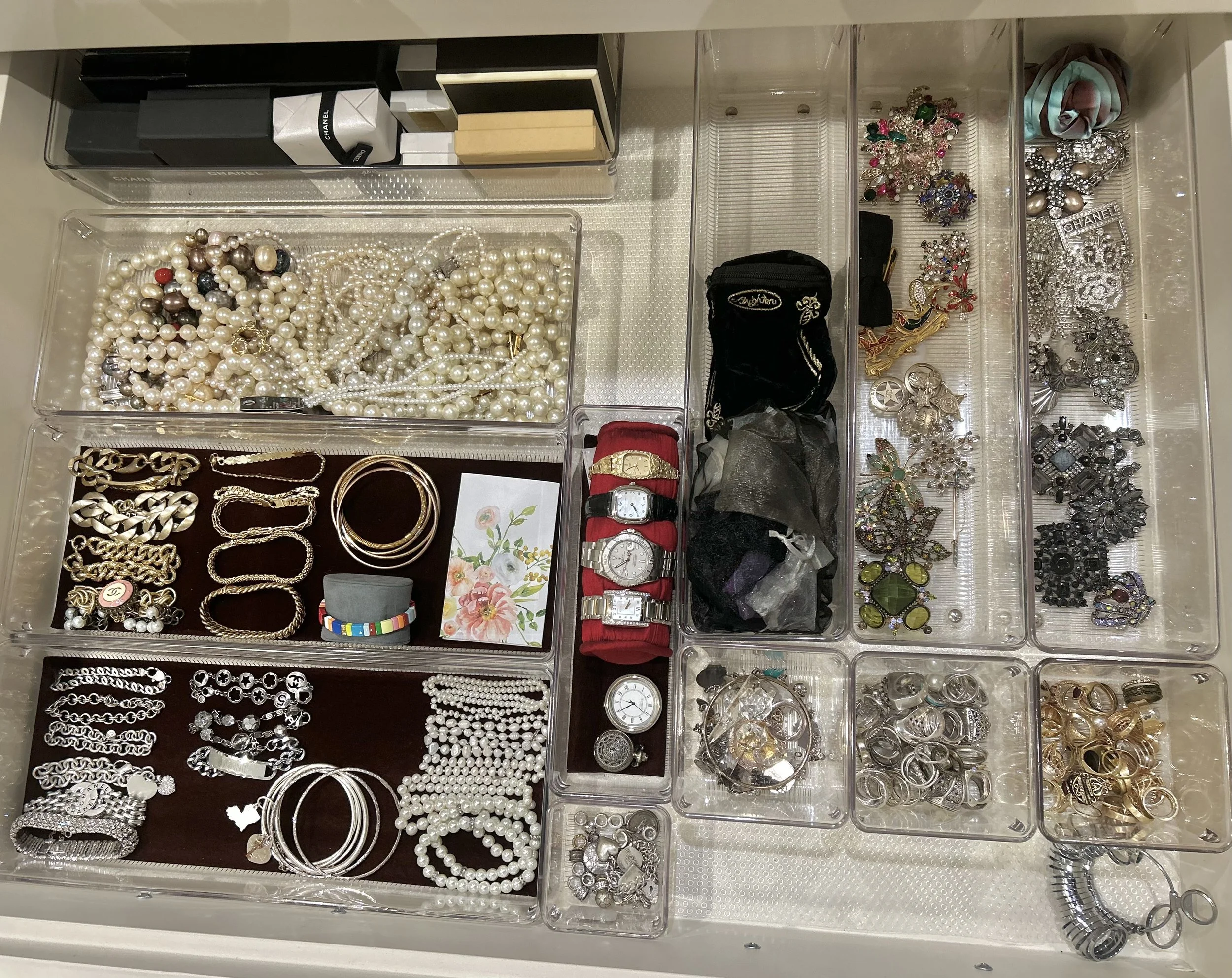
This is NOT what we did!
Scroll down to see the Elevated Order difference.
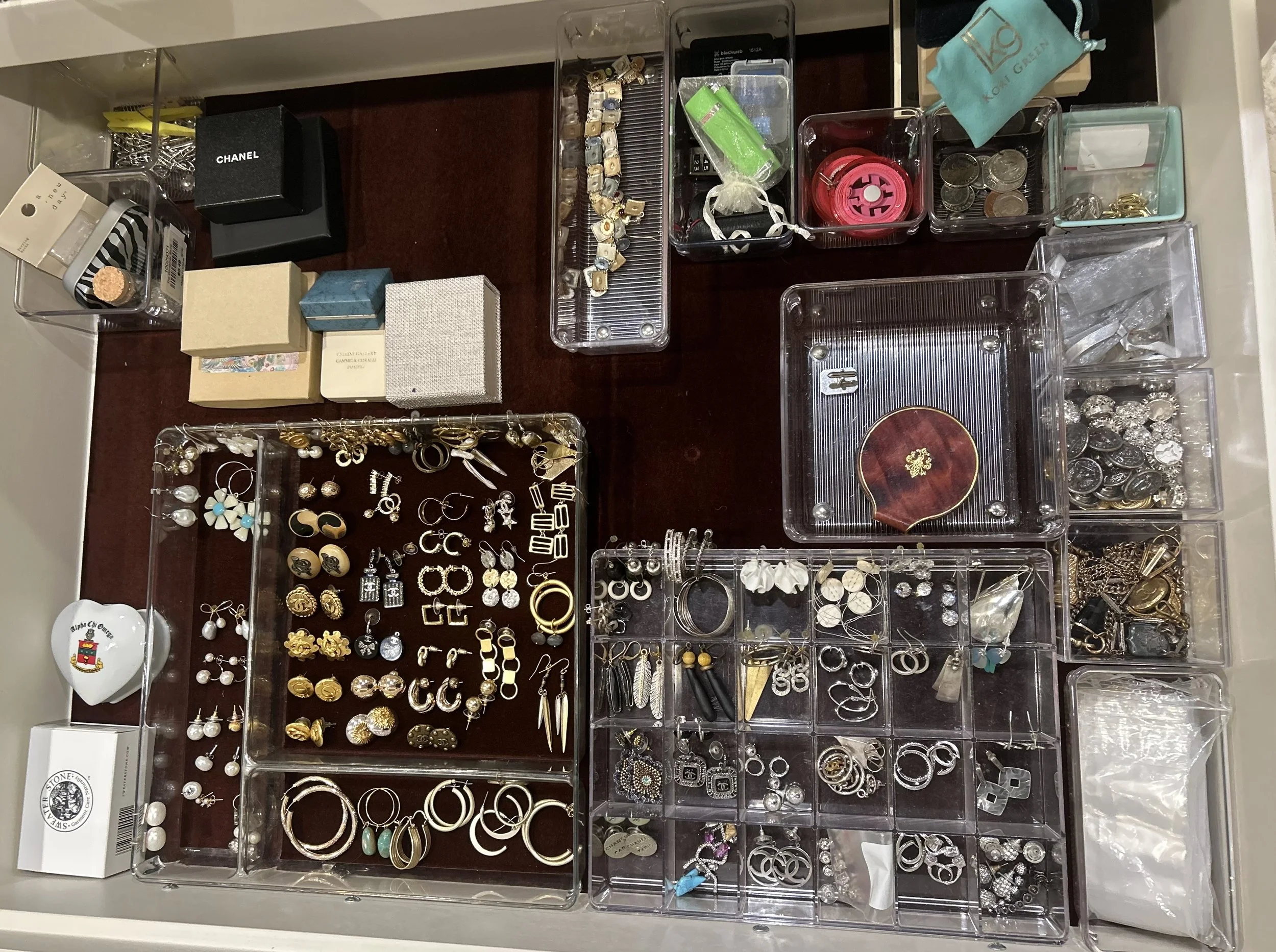
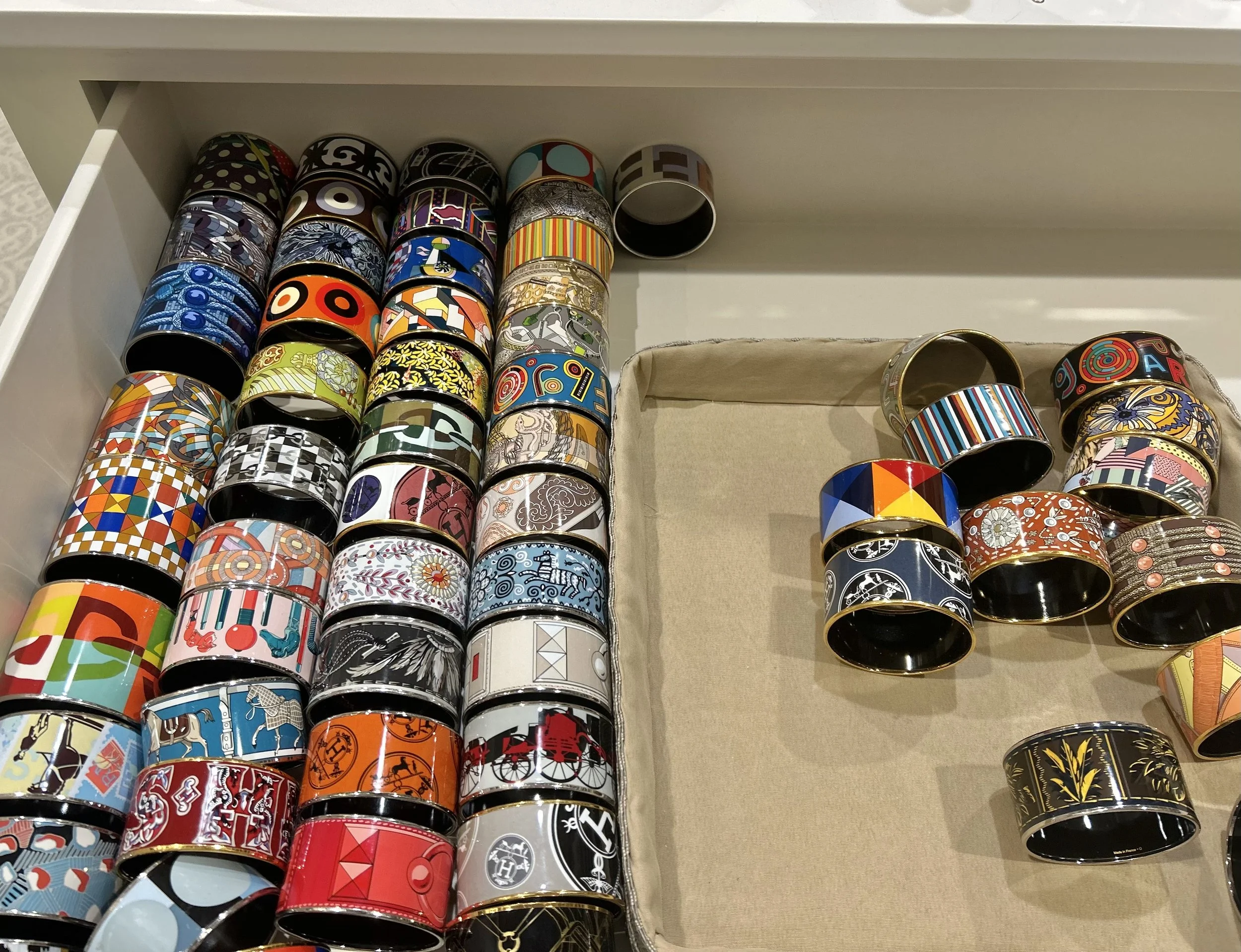
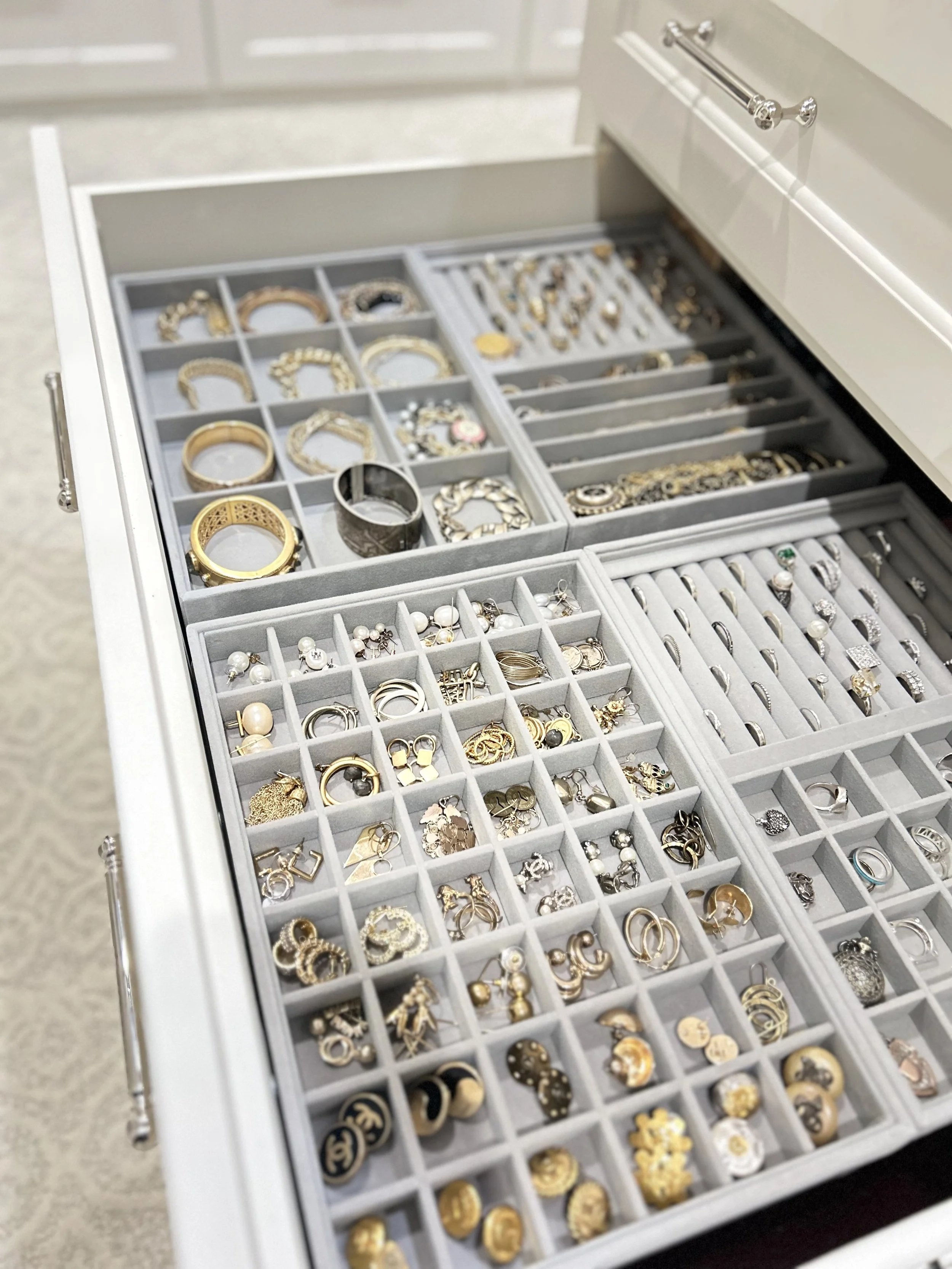
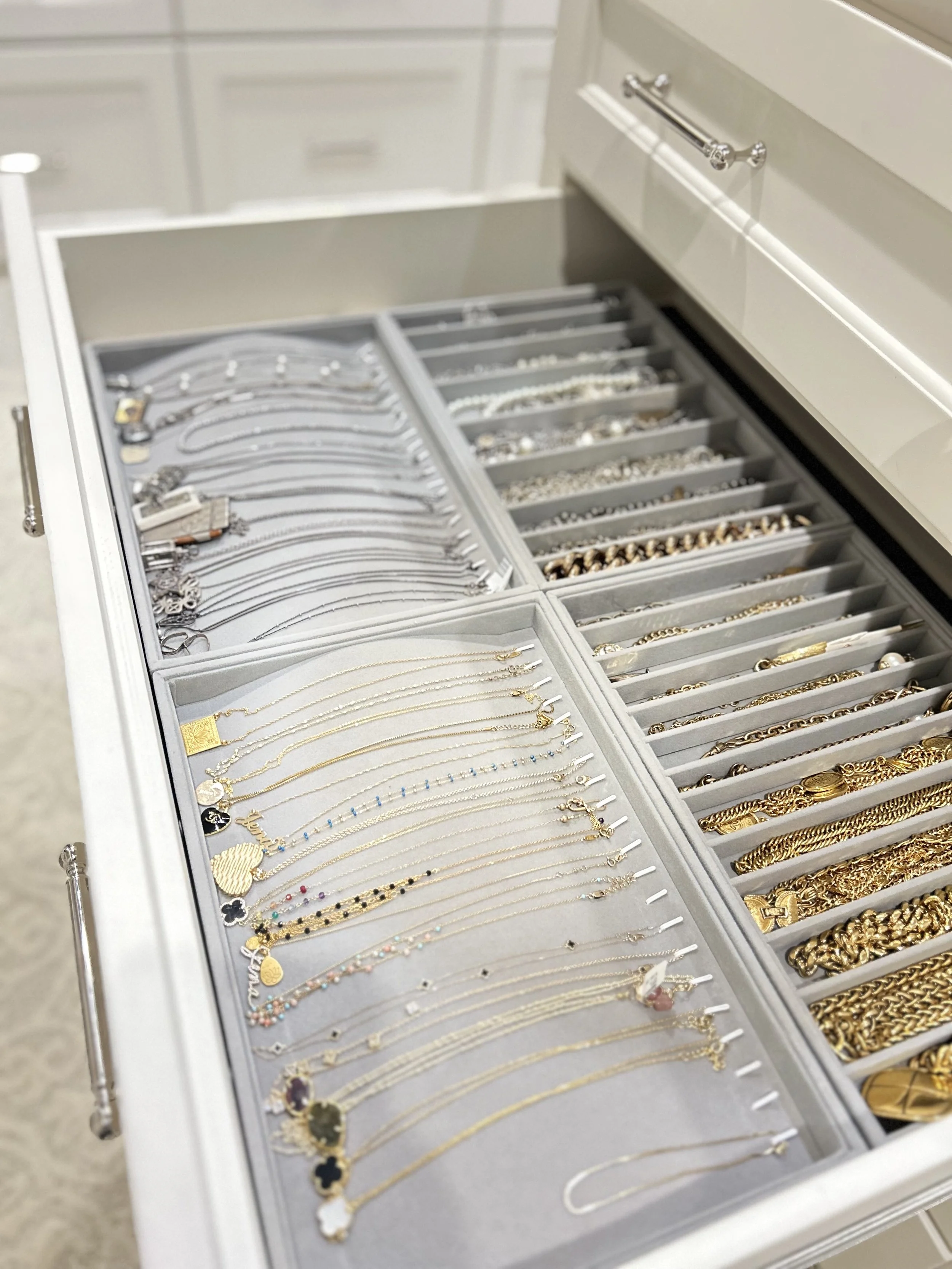
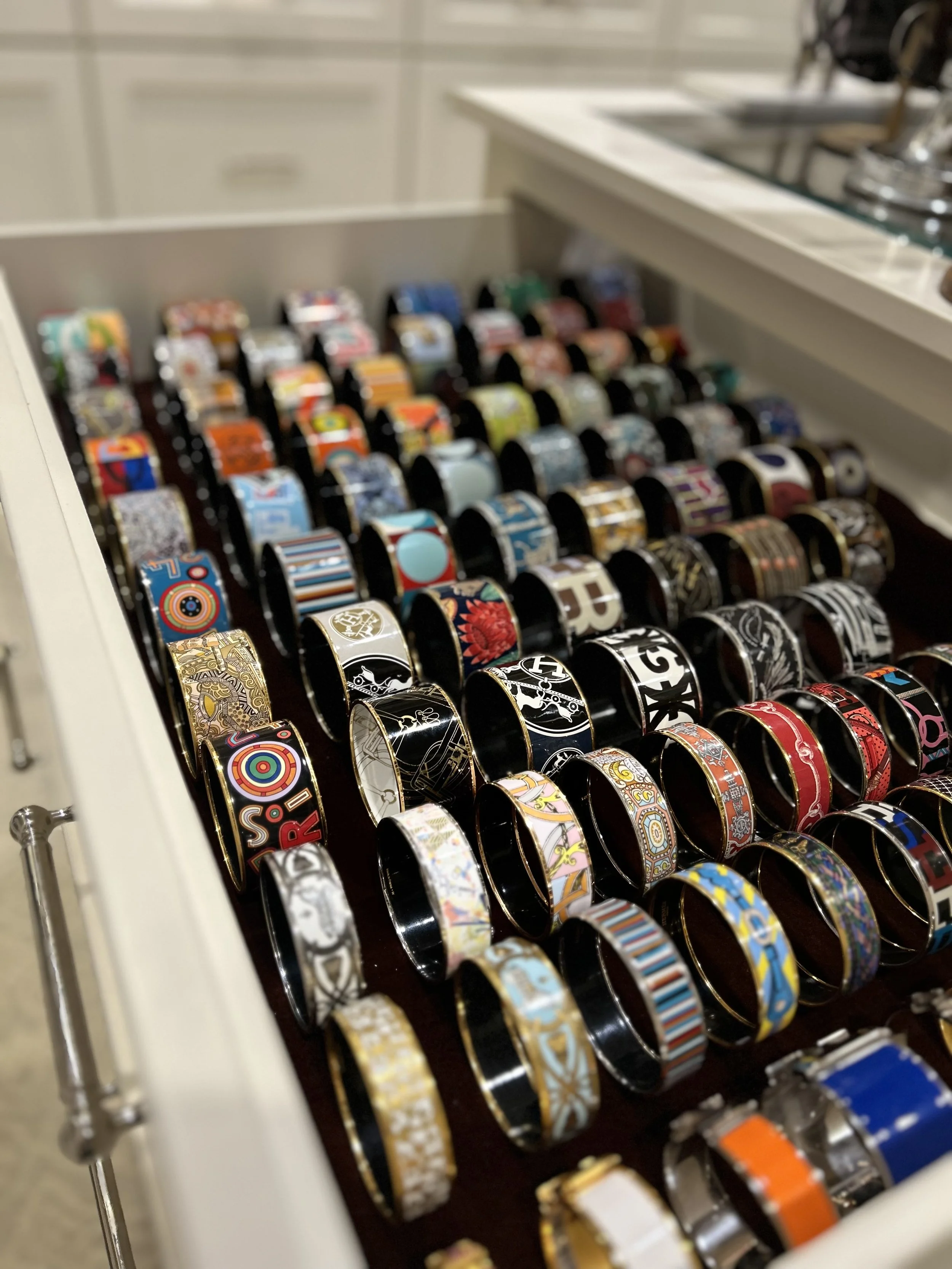
The photos above tell most of the story. The first three show a client's own attempt at organizing her jewelry. The rest show the same collection after Elevated Order finished (psst, we magnetized the bracelet holder!). She bought bins. She sorted. She did what most DIY advice tells you to do. It was better than before, but it wasn't finished because much of her time would be wasted with one quick closing of her drawer.
So why pay a professional home organizer? Let me ask you a few questions first.
Where do you already pay for expertise?
Did you build your home yourself, or did you hire people who do it professionally?
When have you decided a professional's expertise wasn't worth paying for? On anything important? Your doctor? The pilot flying your family?
Now: how important is your home to you? How important is the way it runs, every single day?
Home organization isn't about pretty bins
Organizing your home isn't about looks, or about the idea of having everything in a nice place. It's about making daily life easier. Anyone can buy bins and put things in them. Anyone can declutter. The difference between a home that looks organized and one that stays organized is in the details.
What a professional organizer buys (and returns)
We buy $10,000–$20,000 in organizing products for our clients' homes every month, across 50–100 different kinds of bins, trays and inserts. We know what's on the market because we're buying it constantly.
Many professional organizers use a handful of bins that "work" in every space. That makes sense for some people. They come in, make it better, spend little time on design or sourcing, skip returns, and know how every project will go because they use the same products every time.
We don't. If we aren't sure something will fit perfectly or look right, we buy two or three options, test them in your space, and return what doesn't earn its place. You never see that part. You just see the result.
The two inches that make the difference
Say a client has a cabinet 22 inches wide and 20 inches deep. (We'll set height aside. It's usually adjustable and matters least.)
You, or another organizer, could buy two bins that are 10 inches wide and 18 inches deep. They would absolutely contain the clutter better than nothing. It would look better. And it would cost less than hiring us.
The problem is the two wasted inches.
That sounds trivial. It isn't. These are daily-use bins, and nobody lines them up perfectly after pulling them out. So every time you open that cabinet, the bins are sitting a few degrees off. It hurts your brain a little, every time. Either you spend extra time straightening them, or you leave them and let it continue bothering you every time you see them.
Then something new comes into the house. It doesn't fit the current setup, so the bins get shoved to one side and the new item gets squeezed in. The symmetry is gone, and things aren't fully contained anymore. The project that was supposed to relieve your stress made things better, but it's still causing stress.
Now picture two bins that are 10.75 inches wide. There's just enough clearance that you never have to force them in, but they fill the space so well that however quickly you put them back, the cabinet looks like we were there yesterday.
We bring that level of thought to every drawer, shelf and closet. I'm not claiming we're the only organizers who care this much. But no one in Dallas is more thoughtful about how to use a space.
Clear or opaque? how is it labeled?
Once the right-sized bin is in, there are more decisions. Should it be clear, so you can see what's inside, or opaque, so you don't have to? When do you decide which is preferable? Does that version exist in the exact size you need? If so, where do you even find it?
Then there's labeling. We use three different label makers to create three kinds of labels, each matched to how that label will be used. Not surprisingly, the most beautiful ones use the best materials and take the longest to apply.
Back to the jewelry drawers
Look at the photos again. In the DIY version, the clear bins don't fill the drawer, rings are piled in a cup, packaging takes up prime space, and bangles are stacked on top of each other. In ours, velvet trays fit the drawer edge to edge. Every ring has its own slot and every pair of earrings has its own compartment. Necklaces lie flat and separated so nothing tangles. Gold and silver are kept apart. The enamel bangle collection stands upright in rows, so every piece is visible and protected.
Same jewelry. Same drawers. A BETTER morning, EVERY morning.
Why one space usually becomes the whole home
Now imagine that level of detail repeated in 100 more spaces. That's why nearly every client who hires us for one space ends up adding their main living areas or their entire home.
It's also why I never try to upsell anyone on that first call. I'd rather you see what we can do with one space, and we'll go from there.
Frequently asked questions
Is a professional home organizer worth the cost?
If you want a space that stays organized with the least effort from you, yes! DIY gets you containment. A professional gets you a system sized to your space and your habits, so it holds up in daily use.
What does a luxury home organizer do differently?
Custom sourcing. Every product is chosen to fit your exact measurements and your style, not pulled from a standard kit. We test options in your home and handle all purchasing and returns. We, also, have the knowledge to take all of the necessary actions as well as the knowledge on how to design the space in order to provide the best results. You can read more about that here.
What areas do you serve?
Elevated Order serves Highland Park, University Park, Preston Hollow, Frisco, Plano, McKinney, Flower Mound and the greater Dallas–Fort Worth area.
Can I start with just one space?
Yes, and we recommend it. Start with a closet, a pantry or a jewelry drawer, and decide from there.